Category: Uncategorized

  • Mona’s Eyes: A Novel by Thomas Schlesser – Reviewed by Sharon Lorenzo

    Mona’s Eyes: A Novel by Thomas Schlesser – Reviewed by Sharon Lorenzo

    Barnes and Noble Book of the Year: 2025

    International book seller Barnes and Noble chose this book as its 2025 best seller, translated into 38 languages from the original by French art historian, Thomas Schlesser.   He is a professor of art history at the Ecole Polytechnique in Paris, and this is his American debut with the work featured by Europa Editions in New York. He chose the image of a work of art by Johannes Vermeer from 1665 known as the Girl with the Pearl Earring which is in the Mauritshuis House in the Hague for his cover. The painting was donated there by Arnoldus Tombe in 1902 who had paid about 24 euros for same in 1881.

    Girl with a Pearl Earring, oil on canvas, 1665, Mauritshuis House.

    Professor Schlesser has taken on a very unusual task with this novel which highlights 52 works of art and the story of a young girl, age 11, who wakes up one morning and cannot see.  After medical exams and testing, her sight returns in a few days. Physicians cannot explain this blackout and insist that she see specialists in sight control and a psychiatrist to keep her calm and relaxed.  Instead of a tedious weekly session with the latter, her grandfather steps in and says he will manage the situation.  His plan is to take her each Wednesday to one of the three major museums in Paris for a detailed look and examination of a work of art.  Mona loves this idea, and the book goes into detail on each of the 52 visits.

    What is such fun is that the author divided the book into three sections with works of art from the Louvre in part one, the Museé D’Orsay in part two, and the Pompidou from the Beaubourg suburb in part three.  These are very cleverly illustrated in the two-part cover of the book.

    There is an expression in Spanish that reads: “Puede ver pero no puede mirar,” which translates that one can look but did not see enough. As museum statistics have claimed that the average visitor spends about 20 seconds in front of each work of art, I can relate that looking and seeing can be different experiences.  With the details on each work of art, the grandfather tells Mona about the artist, his or her country, and the medium of the artwork. They then together stand in front of same for at least 20 minutes and talk about the image, its content, its meaning, its details and how they each think it became a very special work of art.

    In part one Schlesser chose the Mona Lisa by Leonardo da Vinci as one of 19 works from the Louvre, and the grandfather explains that this was a private commission by a wealthy Florentine businessman, Francesco del Giocondo, who wanted to capture the smile of his lovely wife Lisa.  In my art history classes, I learned that the Catholic church forbid women to be used in works of art in the 16th century unless they were to look like the Virgin Mary or her helpers.  To engage also with the viewer in a direct pose was also considered sinful and most portraits were done in profile.  The Mona Lisa thus became famous for her engaging smile and simple repose.  Ironically Da Vinci never delivered the work of art and instead took it to France with him when he went to work for King Francis I who bought it from him in 1519. Subsequent kings had it in Versailles until it was moved to the Louvre where it is now under bullet proof glass where 80% of the visitors line up to see her.

    Leonardo da Vinci, Mona Lisa, 1519. Louvre Museum.

    One more favorite in the second chapter of the book is the work of Paul Cezanne from 1890 called Montagne Sainte-Victoire, a view that he captured in oil from his studio window in Provence about 90 times. Cezanne’s father was a banker and not happy that his son chose to be an artist, but the famous French art dealer, Paul Durand Ruel, saved him by selling his work in his Paris gallery.  Cezanne was quoted as saying that the mountain had a raging thirst for sunshine which he tried to capture in the details of the foreground, mid-level, and background.  Mona said, “Grandpa I think Cezanne wanted to light up the world with his paintings.”  (p. 256)

    Paul Cezanne, Montagne Sainte- Victoire, 1890. Museé D’Orsay.

    In the third section Mona loves many of the works but identifies the work of Georgia O’Keeffe from 1924 as her favorite.  Entitled Red, Yellow and Black Streaks, the grandfather says that O’Keeffe painted this one when she was living near Lake George in the Adirondack Mountains.   He explained that her style became known as bio-morphism as she tried to turn nature into abstractions.   Mona said, “Grandpa she has created a heaven of colors here with vapors and clouds moving all over the sky!” (p.335).

    Georgia O’Keeffe, Red, Yellow and Black Streaks, 1924. Centre Pompidou.

    As the story ends Mona occasionally loses her sight again but when it returns, she relished the reminders of her 52 wonderful days with her grandfather looking at so many works of art. It is a complex ending to a wonderful book that captures the message that we need to both LOOK and SEE more in the wonderful world around us every day.  Enjoy!


    Source:
    Thomas Schlesser, Mona’s Eyes. New York, Europa Editions, 2025.

    The post Mona’s Eyes: A Novel by Thomas Schlesser – Reviewed by Sharon Lorenzo appeared first on Sharp Eye.

  • Mona’s Eyes: A Novel by Thomas Schlesser – Reviewed by Sharon Lorenzo

    Mona’s Eyes: A Novel by Thomas Schlesser – Reviewed by Sharon Lorenzo

    Barnes and Noble Book of the Year: 2025

    International book seller Barnes and Noble chose this book as its 2025 best seller, translated into 38 languages from the original by French art historian, Thomas Schlesser.   He is a professor of art history at the Ecole Polytechnique in Paris, and this is his American debut with the work featured by Europa Editions in New York. He chose the image of a work of art by Johannes Vermeer from 1665 known as the Girl with the Pearl Earring which is in the Mauritshuis House in the Hague for his cover. The painting was donated there by Arnoldus Tombe in 1902 who had paid about 24 euros for same in 1881.

    Girl with a Pearl Earring, oil on canvas, 1665, Mauritshuis House.

    Professor Schlesser has taken on a very unusual task with this novel which highlights 52 works of art and the story of a young girl, age 11, who wakes up one morning and cannot see.  After medical exams and testing, her sight returns in a few days. Physicians cannot explain this blackout and insist that she see specialists in sight control and a psychiatrist to keep her calm and relaxed.  Instead of a tedious weekly session with the latter, her grandfather steps in and says he will manage the situation.  His plan is to take her each Wednesday to one of the three major museums in Paris for a detailed look and examination of a work of art.  Mona loves this idea, and the book goes into detail on each of the 52 visits.

    What is such fun is that the author divided the book into three sections with works of art from the Louvre in part one, the Museé D’Orsay in part two, and the Pompidou from the Beaubourg suburb in part three.  These are very cleverly illustrated in the two-part cover of the book.

    There is an expression in Spanish that reads: “Puede ver pero no puede mirar,” which translates that one can look but did not see enough. As museum statistics have claimed that the average visitor spends about 20 seconds in front of each work of art, I can relate that looking and seeing can be different experiences.  With the details on each work of art, the grandfather tells Mona about the artist, his or her country, and the medium of the artwork. They then together stand in front of same for at least 20 minutes and talk about the image, its content, its meaning, its details and how they each think it became a very special work of art.

    In part one Schlesser chose the Mona Lisa by Leonardo da Vinci as one of 19 works from the Louvre, and the grandfather explains that this was a private commission by a wealthy Florentine businessman, Francesco del Giocondo, who wanted to capture the smile of his lovely wife Lisa.  In my art history classes, I learned that the Catholic church forbid women to be used in works of art in the 16th century unless they were to look like the Virgin Mary or her helpers.  To engage also with the viewer in a direct pose was also considered sinful and most portraits were done in profile.  The Mona Lisa thus became famous for her engaging smile and simple repose.  Ironically Da Vinci never delivered the work of art and instead took it to France with him when he went to work for King Francis I who bought it from him in 1519. Subsequent kings had it in Versailles until it was moved to the Louvre where it is now under bullet proof glass where 80% of the visitors line up to see her.

    Leonardo da Vinci, Mona Lisa, 1519. Louvre Museum.

    One more favorite in the second chapter of the book is the work of Paul Cezanne from 1890 called Montagne Sainte-Victoire, a view that he captured in oil from his studio window in Provence about 90 times. Cezanne’s father was a banker and not happy that his son chose to be an artist, but the famous French art dealer, Paul Durand Ruel, saved him by selling his work in his Paris gallery.  Cezanne was quoted as saying that the mountain had a raging thirst for sunshine which he tried to capture in the details of the foreground, mid-level, and background.  Mona said, “Grandpa I think Cezanne wanted to light up the world with his paintings.”  (p. 256)

    Paul Cezanne, Montagne Sainte- Victoire, 1890. Museé D’Orsay.

    In the third section Mona loves many of the works but identifies the work of Georgia O’Keeffe from 1924 as her favorite.  Entitled Red, Yellow and Black Streaks, the grandfather says that O’Keeffe painted this one when she was living near Lake George in the Adirondack Mountains.   He explained that her style became known as bio-morphism as she tried to turn nature into abstractions.   Mona said, “Grandpa she has created a heaven of colors here with vapors and clouds moving all over the sky!” (p.335).

    Georgia O’Keeffe, Red, Yellow and Black Streaks, 1924. Centre Pompidou.

    As the story ends Mona occasionally loses her sight again but when it returns, she relished the reminders of her 52 wonderful days with her grandfather looking at so many works of art. It is a complex ending to a wonderful book that captures the message that we need to both LOOK and SEE more in the wonderful world around us every day.  Enjoy!


    Source:
    Thomas Schlesser, Mona’s Eyes. New York, Europa Editions, 2025.

    The post Mona’s Eyes: A Novel by Thomas Schlesser – Reviewed by Sharon Lorenzo appeared first on Sharp Eye.

  • Peanut Chicken Rice Bowls with Roasted Sweet Potatoes

    Peanut Chicken Rice Bowls with Roasted Sweet Potatoes

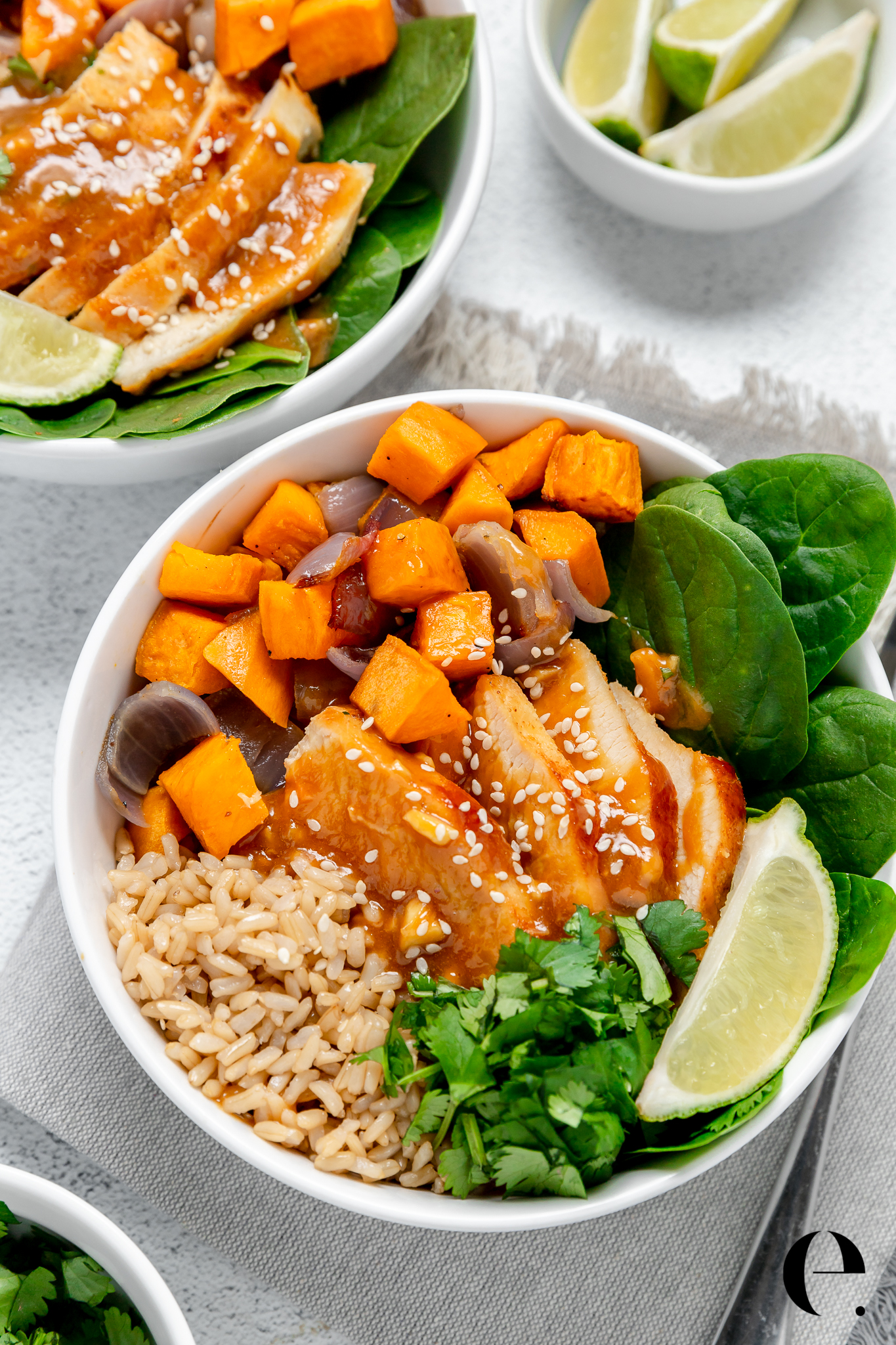
    If you love a nourishing bowl that feels balanced and satisfying, these Peanut Chicken Rice Bowls With Roasted Sweet Potatoes are going to become a regular in your kitchen.

    They are colorful, hearty, and layered with texture. Caramelized sweet potatoes. Savory golden chicken. Fluffy brown rice. Fresh spinach. And a creamy peanut lime sauce that brings everything together.

    This is the kind of meal that leaves you feeling energized and grounded. It is balanced with protein, fiber, and healthy fats, and it works beautifully for both weeknight dinners and meal prep.

    What You’ll Love About this Peanut Chicken Rice Bowl

    • Protein-Rich: High in protein from lean chicken to support steady energy
    • Nutrient Packed: Rich in fiber from sweet potatoes and brown rice
    • Gluten-Free: Naturally gluten free when using tamari or coconut aminos
    • Meal-Prep Friendly: Great for meal prep and stores well for several days
    • Customizable: Easy to customize with extra vegetables or spice

    Peanut Chicken Protein Bowl Ingredients

    For the Bowls

    • Sweet potato: Roasts into tender, naturally sweet bites and adds fiber
    • Red onion: Becomes soft and lightly caramelized in the oven
    • Brown rice: A hearty whole grain base that adds fiber and staying power
    • Baby spinach: Adds freshness and important micronutrients
    • Fresh cilantro: Brings a bright herbal finish
    • Sesame seeds: Add subtle crunch and texture
    • Extra virgin olive oil: Used for roasting and adds richness

    For the Chicken:

    • Boneless skinless chicken breasts: Lean protein that keeps the bowl balanced and satisfying
    • Garlic powder: Adds savory depth
    • Ground ginger: Brings subtle warmth
    • Sea salt and black pepper: Enhance all the flavors
    • Extra virgin olive oil: Helps create a golden sear

    For the Peanut-Lime Dressing

    • Creamy peanut butter: Forms the rich base of the sauce
    • Fresh lime juice: Brightens and balances the richness
    • Honey: Adds a touch of natural sweetness
    • Soy sauce or tamari: Provides savory umami flavor. You can also use coconut-aminos
    • Toasted sesame oil: Adds nutty depth of flavor. Do not skip.
    • Fresh garlic: Gives the dressing bold flavor.

    (See printable recipe card below for full ingredient amounts)

    How to Make Peanut Chicken Rice Bowls

    1. Roast the vegetables: Preheat your oven to 425 degrees F. Toss the cubed sweet potatoes and red onion with olive oil, sea salt, and black pepper. Spread them evenly on a baking sheet. Roast for 20 to 25 minutes until tender and lightly caramelized.
    2. Cook the chicken: While the vegetables roast, season the chicken with garlic powder, ground ginger, salt, and pepper. Heat olive oil in a skillet over medium high heat. Cook the chicken for about 7 to 8 minutes per side, until golden and cooked through. Let it rest before slicing to keep it juicy.
    3. Make the peanut lime dressing: In a small bowl, whisk together fresh garlic, lime juice, peanut butter, honey, and soy sauce. Add sesame oil and olive oil and whisk until smooth. If the sauce is too thick, add one to two teaspoons of warm water until it reaches a pourable consistency.
    4. Assemble the bowls: Divide the brown rice among bowls. Top with roasted sweet potatoes, sliced chicken, and fresh spinach.
    5. Add the dressing: Drizzle generously with peanut sauce and sprinkle with cilantro and sesame seeds. Serve immediately.

    Tips & Variations

    • Add heat: Add red pepper flakes or sriracha for heat
    • Swap the grain: Swap brown rice for quinoa or jasmine rice
    • Add vegetables: Add steamed broccoli or shredded carrots for extra vegetables
    • Try dark meat: Use chicken thighs if you prefer richer flavor
    • Meal prep tip: Store components separately for best texture when meal prepping

    The post Peanut Chicken Rice Bowls with Roasted Sweet Potatoes appeared first on Elizabeth Rider – Modern Healthy Living.

  • Peanut Chicken Rice Bowls with Roasted Sweet Potatoes

    Peanut Chicken Rice Bowls with Roasted Sweet Potatoes

    If you love a nourishing bowl that feels balanced and satisfying, these Peanut Chicken Rice Bowls With Roasted Sweet Potatoes are going to become a regular in your kitchen.

    They are colorful, hearty, and layered with texture. Caramelized sweet potatoes. Savory golden chicken. Fluffy brown rice. Fresh spinach. And a creamy peanut lime sauce that brings everything together.

    This is the kind of meal that leaves you feeling energized and grounded. It is balanced with protein, fiber, and healthy fats, and it works beautifully for both weeknight dinners and meal prep.

    What You’ll Love About this Peanut Chicken Rice Bowl

    • Protein-Rich: High in protein from lean chicken to support steady energy
    • Nutrient Packed: Rich in fiber from sweet potatoes and brown rice
    • Gluten-Free: Naturally gluten free when using tamari or coconut aminos
    • Meal-Prep Friendly: Great for meal prep and stores well for several days
    • Customizable: Easy to customize with extra vegetables or spice

    Peanut Chicken Protein Bowl Ingredients

    For the Bowls

    • Sweet potato: Roasts into tender, naturally sweet bites and adds fiber
    • Red onion: Becomes soft and lightly caramelized in the oven
    • Brown rice: A hearty whole grain base that adds fiber and staying power
    • Baby spinach: Adds freshness and important micronutrients
    • Fresh cilantro: Brings a bright herbal finish
    • Sesame seeds: Add subtle crunch and texture
    • Extra virgin olive oil: Used for roasting and adds richness

    For the Chicken:

    • Boneless skinless chicken breasts: Lean protein that keeps the bowl balanced and satisfying
    • Garlic powder: Adds savory depth
    • Ground ginger: Brings subtle warmth
    • Sea salt and black pepper: Enhance all the flavors
    • Extra virgin olive oil: Helps create a golden sear

    For the Peanut-Lime Dressing

    • Creamy peanut butter: Forms the rich base of the sauce
    • Fresh lime juice: Brightens and balances the richness
    • Honey: Adds a touch of natural sweetness
    • Soy sauce or tamari: Provides savory umami flavor. You can also use coconut-aminos
    • Toasted sesame oil: Adds nutty depth of flavor. Do not skip.
    • Fresh garlic: Gives the dressing bold flavor.

    (See printable recipe card below for full ingredient amounts)

    How to Make Peanut Chicken Rice Bowls

    1. Roast the vegetables: Preheat your oven to 425 degrees F. Toss the cubed sweet potatoes and red onion with olive oil, sea salt, and black pepper. Spread them evenly on a baking sheet. Roast for 20 to 25 minutes until tender and lightly caramelized.
    2. Cook the chicken: While the vegetables roast, season the chicken with garlic powder, ground ginger, salt, and pepper. Heat olive oil in a skillet over medium high heat. Cook the chicken for about 7 to 8 minutes per side, until golden and cooked through. Let it rest before slicing to keep it juicy.
    3. Make the peanut lime dressing: In a small bowl, whisk together fresh garlic, lime juice, peanut butter, honey, and soy sauce. Add sesame oil and olive oil and whisk until smooth. If the sauce is too thick, add one to two teaspoons of warm water until it reaches a pourable consistency.
    4. Assemble the bowls: Divide the brown rice among bowls. Top with roasted sweet potatoes, sliced chicken, and fresh spinach.
    5. Add the dressing: Drizzle generously with peanut sauce and sprinkle with cilantro and sesame seeds. Serve immediately.

    Tips & Variations

    • Add heat: Add red pepper flakes or sriracha for heat
    • Swap the grain: Swap brown rice for quinoa or jasmine rice
    • Add vegetables: Add steamed broccoli or shredded carrots for extra vegetables
    • Try dark meat: Use chicken thighs if you prefer richer flavor
    • Meal prep tip: Store components separately for best texture when meal prepping

    The post Peanut Chicken Rice Bowls with Roasted Sweet Potatoes appeared first on Elizabeth Rider – Modern Healthy Living.

  • 10 Recipes with Pinto Beans

    10 Recipes with Pinto Beans

    Recipes with Pinto Beans

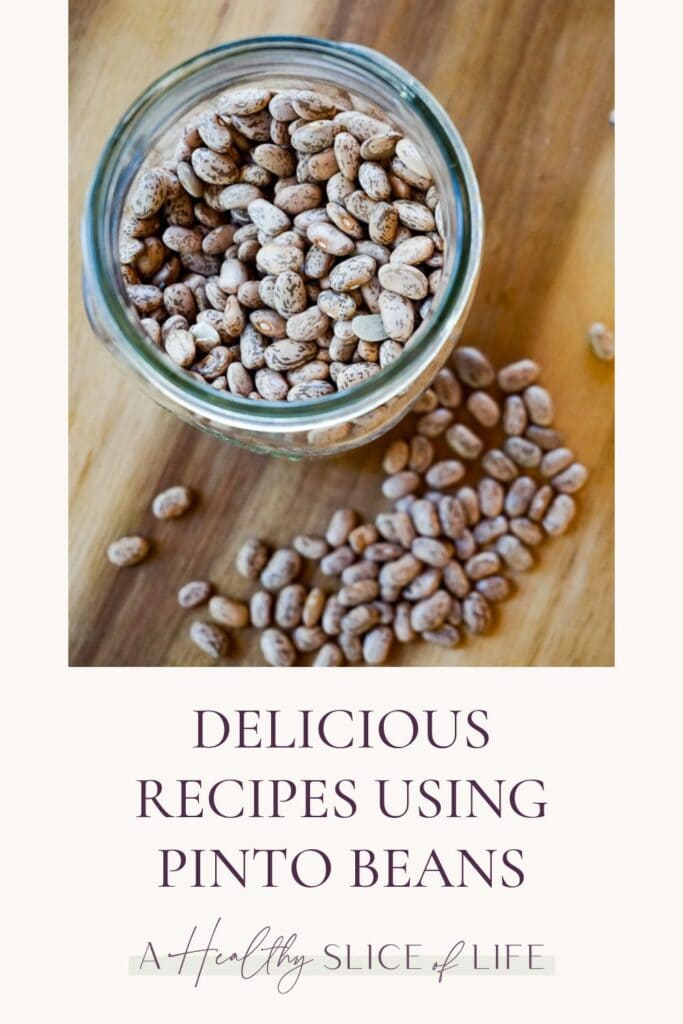
    As I’ve spent more time in the kitchen over the years, I’ve come to appreciate the humble pinto bean for its versatility and nutritional value. These beans aren’t just a fantastic source of protein (15g per 1 cup of cooked pinto beans), fiber (15g per 1 cup, cooked), vitamins, and minerals; they’re also packed with antioxidants. Their earthy flavor and creamy texture make them incredibly adaptable, working beautifully in everything from soups to casseroles to quick weeknight burritos.

    Beans are also a great way to spend less at the grocery store. Whether canned, jarred, or dried, you can make beans the main event or mix them in with meat recipes to stretch it a bit further. If you want to eat more beans, but they mess with your digestion, I recommend trying a digestive enzyme about 15 minutes before the meal and seeing if that helps.

    Today, I’m excited to share with you a collection of pinto bean recipes that I’ve enjoyed making for my family, along with some favorites from fellow food enthusiasts. These dishes, ranging from comforting soups to flavorful side dishes and hearty main courses, showcase just how wonderful and adaptable pinto beans can be. I hope these ideas are useful as you meal plan!

    10 Recipes With Pinto Beans

    Recipes with Pinto Beans

    10 Recipes With Pinto Beans

    Crock Pot Pinto Beans

    Well Plated by Erin simplifies pinto bean preparation with her Crock Pot Pinto Beans. This no-soak recipe infuses pinto beans with sautéed onion, jalapeño, and Southwestern spices for bold flavor.

    Pinto Bean Soup

    The Cozy Cook’s Pinto Bean Soup is a rich medley of vegetables, pinto beans, and sausage. It’s adaptable for slow cookers and perfect for chilly nights.

    Oven Baked Bean Burritos

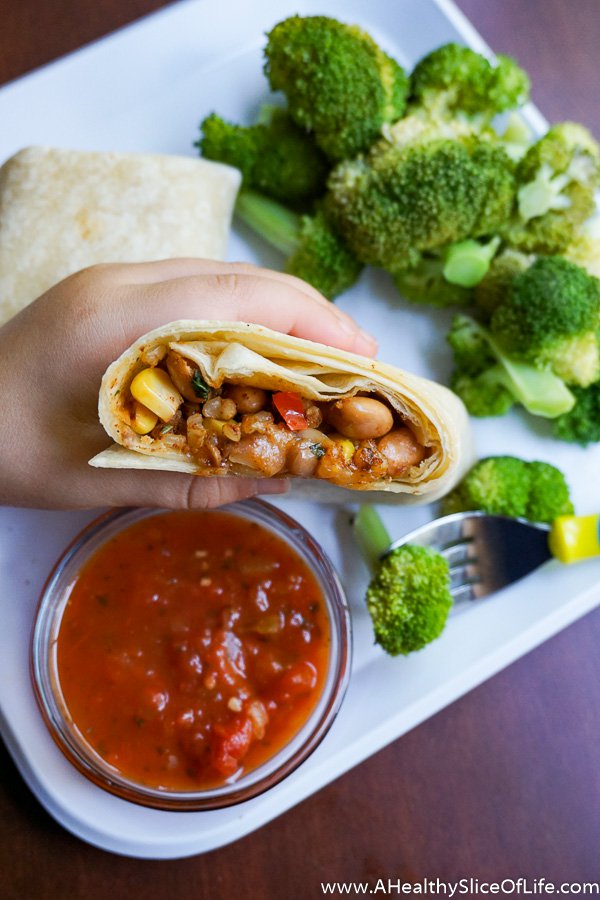
    In my own kitchen, I’ve created Oven Baked Bean Burritos, a quick 20-minute meal that combines refried pinto beans, rice, spices, green chiles, and cheese in a tortilla wrap. These burritos are freezer-friendly and ideal for busy nights. The kids dip them in sour cream, and I like mine served over iceberg and cabbage for extra crunch (and maybe a drizzle of hot sauce).

    Pinto Bean Casserole (Easy Mexican Recipe)

    The Picky Eater Blog introduces a cozy Pinto Bean Casserole, a one-pot vegetarian meal ready in less than 30 minutes.

    Pinto Bean & Cheese Freezer Burritos

    These Pinto Bean & Cheese Freezer Burritos combine pinto beans, brown rice, and cheese for an easy reheat-and-go meal. These were a go-to toddler meal when my kids were younger.

    Pinto Bean & Cheese Freezer Burritos

    Pinto Bean Casserole

    Southern Eats & Goodies offers a classic Southern Pinto Bean Casserole topped with cheese and baked to comfort-food perfection.

    The Best Homemade Bean Dip Recipe

    A Spicy Perspective presents a creamy Homemade Bean Dip featuring pinto beans, sweet onion, garlic, and spices. Add green chiles or hot sauce for extra kick.

    Pinto Bean Salad with Avocado and Tomatoes

    Kalyn’s Kitchen offers a refreshing Pinto Bean Salad with avocado, tomatoes, and cilantro for warmer days.

    Spanish Pinto Bean Stew

    This hearty stew is packed with vegetables and flavor from garlic, paprika, and broth. Serve with a crunchy baguette for the full experience.

    Healthy Turkey Chili with Pinto Beans

    This lighter turkey chili uses pantry spices and fresh vegetables. It’s even better the next day once flavors meld together.


    If you’re new to cooking with pinto beans, these quick tips can help you get even more out of them.

    What Are Pinto Beans Used For

    Pinto beans are incredibly versatile and work in everything from soups and stews to tacos, burritos, dips, and salads. They’re commonly used in Mexican and Southwestern cooking, especially alongside rice, cheese, green chiles, and warm spices like cumin and chili powder.

    They also mash beautifully, making them ideal for refried beans, sandwich spreads, enchilada fillings, and even as a thickener for soups. Their creamy texture allows them to blend into sauces while still holding their shape in heartier dishes.


    What Goes Well With Pinto Beans

    Pinto beans pair beautifully with both bold flavors and simple staples.

    They work especially well with:

    • Rice or quinoa
    • Tortillas and taco shells
    • Roasted vegetables
    • Grilled meats
    • Eggs
    • Avocado and cilantro

    A splash of acid like lime juice or vinegar brightens their earthy flavor. Cheese adds richness, and a drizzle of hot sauce can bring just the right amount of heat. I also love adding diced green chiles or a spoonful of salsa for freshness and depth.


    How To Make Canned Pinto Beans Taste Good

    Canned pinto beans are incredibly convenient, but a few small upgrades can make them taste homemade.

    Rinse and Drain Well

    Rinsing removes excess sodium and the starchy liquid from the can. This gives you a cleaner base and allows your seasonings to shine instead of tasting metallic or overly salty.

    Sauté With Aromatics

    Warm beans in olive oil or butter with onion, garlic, cumin, and chili powder. Cooking them briefly with aromatics adds depth and makes a big difference in flavor.

    Simmer With Broth or Spices

    Instead of reheating in water, simmer the beans in broth with smoked paprika, taco seasoning, or diced green chiles. Even 5–10 minutes transforms them.

    Finish With Acid and Heat

    Right before serving, add a squeeze of lime juice, a splash of apple cider vinegar, or a drizzle of hot sauce. That final brightness elevates the whole dish.


    What To Do With Leftover Pinto Beans

    Cooked pinto beans store beautifully and can easily be repurposed throughout the week.

    Turn Them Into Lunch Bowls

    Layer beans over rice or quinoa with roasted vegetables, shredded cheese, avocado, and a simple dressing for an easy lunch.

    Mash for Wraps or Toast

    Lightly mash with seasoning for burritos, quesadillas, tostadas, or even savory toast toppings.

    Freeze for Later

    Portion beans into freezer bags with a little cooking liquid to prevent drying out. Lay flat to freeze for easy stacking.

    Stir Into Soups and Skillets

    Add leftover beans to scrambled eggs, vegetable soups, skillet dinners, or pasta for extra protein and fiber.


    Fresh Pinto Bean Tips (New Since This Post Was First Published)

    Over time, I’ve learned a few extra tricks that make pinto beans even better:

    • Season in layers instead of all at once.
    • Add salt toward the end if cooking from dry beans to avoid tough skins.
    • Use beans as a base for meal prep—cook a big batch and reinvent them all week.
    • Blend a portion of the beans to naturally thicken soups without cream.
    • Toast spices briefly before adding beans to wake up their flavor.

    I also find that pinto beans taste even better the next day. Letting them sit overnight allows flavors to deepen and meld together, making leftovers something to look forward to instead of just reheating.


    Pinto beans have become a staple in my kitchen, offering incredible versatility in a myriad of delicious ways at a low price. Whether I’m in the mood for a warming soup, a hearty main course, or a light salad, these pinto bean recipes truly cater to all tastes and occasions. They’re not only nutritious but also deeply satisfying, making them a fantastic ingredient for everyday cooking.

    I hope these pinto bean recipe ideas inspire you to experiment with them, adapting dishes to your taste and dietary needs. If you’re new to cooking with beans, don’t be intimidated — they’re forgiving, affordable, and surprisingly simple to work with once you get started.

    If you are looking for other healthy side dish recipes, my easy green beans recipe is a kid favorite for their crunch and simple seasonings. For a vegetarian main dish, this hearty vegetable and lentil marinara is delicious over spaghetti. And for a bean-focused lunch entry, I can’t tell you how much this chickpea “chicken” salad will hit the spot.

  • 10 Recipes with Pinto Beans

    10 Recipes with Pinto Beans

    Recipes with Pinto Beans

    As I’ve spent more time in the kitchen over the years, I’ve come to appreciate the humble pinto bean for its versatility and nutritional value. These beans aren’t just a fantastic source of protein (15g per 1 cup of cooked pinto beans), fiber (15g per 1 cup, cooked), vitamins, and minerals; they’re also packed with antioxidants. Their earthy flavor and creamy texture make them incredibly adaptable, working beautifully in everything from soups to casseroles to quick weeknight burritos.

    Beans are also a great way to spend less at the grocery store. Whether canned, jarred, or dried, you can make beans the main event or mix them in with meat recipes to stretch it a bit further. If you want to eat more beans, but they mess with your digestion, I recommend trying a digestive enzyme about 15 minutes before the meal and seeing if that helps.

    Today, I’m excited to share with you a collection of pinto bean recipes that I’ve enjoyed making for my family, along with some favorites from fellow food enthusiasts. These dishes, ranging from comforting soups to flavorful side dishes and hearty main courses, showcase just how wonderful and adaptable pinto beans can be. I hope these ideas are useful as you meal plan!

    10 Recipes With Pinto Beans

    Recipes with Pinto Beans

    10 Recipes With Pinto Beans

    Crock Pot Pinto Beans

    Well Plated by Erin simplifies pinto bean preparation with her Crock Pot Pinto Beans. This no-soak recipe infuses pinto beans with sautéed onion, jalapeño, and Southwestern spices for bold flavor.

    Pinto Bean Soup

    The Cozy Cook’s Pinto Bean Soup is a rich medley of vegetables, pinto beans, and sausage. It’s adaptable for slow cookers and perfect for chilly nights.

    Oven Baked Bean Burritos

    In my own kitchen, I’ve created Oven Baked Bean Burritos, a quick 20-minute meal that combines refried pinto beans, rice, spices, green chiles, and cheese in a tortilla wrap. These burritos are freezer-friendly and ideal for busy nights. The kids dip them in sour cream, and I like mine served over iceberg and cabbage for extra crunch (and maybe a drizzle of hot sauce).

    Pinto Bean Casserole (Easy Mexican Recipe)

    The Picky Eater Blog introduces a cozy Pinto Bean Casserole, a one-pot vegetarian meal ready in less than 30 minutes.

    Pinto Bean & Cheese Freezer Burritos

    These Pinto Bean & Cheese Freezer Burritos combine pinto beans, brown rice, and cheese for an easy reheat-and-go meal. These were a go-to toddler meal when my kids were younger.

    Pinto Bean & Cheese Freezer Burritos

    Pinto Bean Casserole

    Southern Eats & Goodies offers a classic Southern Pinto Bean Casserole topped with cheese and baked to comfort-food perfection.

    The Best Homemade Bean Dip Recipe

    A Spicy Perspective presents a creamy Homemade Bean Dip featuring pinto beans, sweet onion, garlic, and spices. Add green chiles or hot sauce for extra kick.

    Pinto Bean Salad with Avocado and Tomatoes

    Kalyn’s Kitchen offers a refreshing Pinto Bean Salad with avocado, tomatoes, and cilantro for warmer days.

    Spanish Pinto Bean Stew

    This hearty stew is packed with vegetables and flavor from garlic, paprika, and broth. Serve with a crunchy baguette for the full experience.

    Healthy Turkey Chili with Pinto Beans

    This lighter turkey chili uses pantry spices and fresh vegetables. It’s even better the next day once flavors meld together.


    If you’re new to cooking with pinto beans, these quick tips can help you get even more out of them.

    What Are Pinto Beans Used For

    Pinto beans are incredibly versatile and work in everything from soups and stews to tacos, burritos, dips, and salads. They’re commonly used in Mexican and Southwestern cooking, especially alongside rice, cheese, green chiles, and warm spices like cumin and chili powder.

    They also mash beautifully, making them ideal for refried beans, sandwich spreads, enchilada fillings, and even as a thickener for soups. Their creamy texture allows them to blend into sauces while still holding their shape in heartier dishes.


    What Goes Well With Pinto Beans

    Pinto beans pair beautifully with both bold flavors and simple staples.

    They work especially well with:

    • Rice or quinoa
    • Tortillas and taco shells
    • Roasted vegetables
    • Grilled meats
    • Eggs
    • Avocado and cilantro

    A splash of acid like lime juice or vinegar brightens their earthy flavor. Cheese adds richness, and a drizzle of hot sauce can bring just the right amount of heat. I also love adding diced green chiles or a spoonful of salsa for freshness and depth.


    How To Make Canned Pinto Beans Taste Good

    Canned pinto beans are incredibly convenient, but a few small upgrades can make them taste homemade.

    Rinse and Drain Well

    Rinsing removes excess sodium and the starchy liquid from the can. This gives you a cleaner base and allows your seasonings to shine instead of tasting metallic or overly salty.

    Sauté With Aromatics

    Warm beans in olive oil or butter with onion, garlic, cumin, and chili powder. Cooking them briefly with aromatics adds depth and makes a big difference in flavor.

    Simmer With Broth or Spices

    Instead of reheating in water, simmer the beans in broth with smoked paprika, taco seasoning, or diced green chiles. Even 5–10 minutes transforms them.

    Finish With Acid and Heat

    Right before serving, add a squeeze of lime juice, a splash of apple cider vinegar, or a drizzle of hot sauce. That final brightness elevates the whole dish.


    What To Do With Leftover Pinto Beans

    Cooked pinto beans store beautifully and can easily be repurposed throughout the week.

    Turn Them Into Lunch Bowls

    Layer beans over rice or quinoa with roasted vegetables, shredded cheese, avocado, and a simple dressing for an easy lunch.

    Mash for Wraps or Toast

    Lightly mash with seasoning for burritos, quesadillas, tostadas, or even savory toast toppings.

    Freeze for Later

    Portion beans into freezer bags with a little cooking liquid to prevent drying out. Lay flat to freeze for easy stacking.

    Stir Into Soups and Skillets

    Add leftover beans to scrambled eggs, vegetable soups, skillet dinners, or pasta for extra protein and fiber.


    Fresh Pinto Bean Tips (New Since This Post Was First Published)

    Over time, I’ve learned a few extra tricks that make pinto beans even better:

    • Season in layers instead of all at once.
    • Add salt toward the end if cooking from dry beans to avoid tough skins.
    • Use beans as a base for meal prep—cook a big batch and reinvent them all week.
    • Blend a portion of the beans to naturally thicken soups without cream.
    • Toast spices briefly before adding beans to wake up their flavor.

    I also find that pinto beans taste even better the next day. Letting them sit overnight allows flavors to deepen and meld together, making leftovers something to look forward to instead of just reheating.


    Pinto beans have become a staple in my kitchen, offering incredible versatility in a myriad of delicious ways at a low price. Whether I’m in the mood for a warming soup, a hearty main course, or a light salad, these pinto bean recipes truly cater to all tastes and occasions. They’re not only nutritious but also deeply satisfying, making them a fantastic ingredient for everyday cooking.

    I hope these pinto bean recipe ideas inspire you to experiment with them, adapting dishes to your taste and dietary needs. If you’re new to cooking with beans, don’t be intimidated — they’re forgiving, affordable, and surprisingly simple to work with once you get started.

    If you are looking for other healthy side dish recipes, my easy green beans recipe is a kid favorite for their crunch and simple seasonings. For a vegetarian main dish, this hearty vegetable and lentil marinara is delicious over spaghetti. And for a bean-focused lunch entry, I can’t tell you how much this chickpea “chicken” salad will hit the spot.

  • Rocking Horses

    Rocking Horses

    Classic childhood treasures – beautiful, bouncy, and still beloved.

    Rocking horses have been popular for centuries.  They are fun for the active child and make any space extra inviting. My youngest daughter’s godmother gave her one that is treasured.  It makes one happy just to look at its bright yellow exterior with black dots and accents. I read an article recently about rocking horses and wanted to see if they were still being made.  Here are some findings.

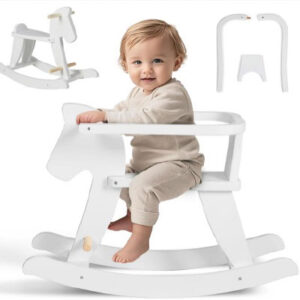
    This is a wooden rocking horse appropriate for ages 12 months and up. It has a removable ‘fence’.  The armrest/fence allows babies who cannot play independently stay safe when riding.  It does require some parental assembly. It measures 11.42” W x 26.77” L x 19.29” H.  $59.99.


    This is the Olga Rocking Horse.  It is for children ages 2 years and up. It is made from ash wood and birch plywood.  It is 30” L x 10.8” D x 15.7” H.  The minimalist design is meant to stimulate a child’s imagination. It is stable and the seat is comfortable and guaranteed to be non-slip.  $189.00


    This is the Pippi Rocking Horse. It is for children 18 months and up.  It is made from sustainably harvested wood, and canvas.  It measures 22.8” H x 11.8” W x 28.3 “L.  $162.00.


    This scene is so adorable. The larger horse is made for children aged 2-4 years old.  The mini one is for dolls only.  They are made from environmentally responsible rattan.  Each one is hand crafted by a skilled artisan and coated with a tough natural water-based finish.

    The toddler rocker measures 28.5” L x 17.75” W x 21.75” H. It is $199.00

    The mini rocker for dolls measures 12’5” L x 9” W x 10.5” H. It is $88.99.


    This is an indoor/outdoor rocking horse for boys and girls aged 18 months and older. It has a spacious seat made from soft lambswool.   It can be removed for cleaning. It has supportive footrests and arm rests.   It is made from iron material and can hold 136 lbs. No assembly required.  It measures 31” L x 11.2” W x 21.7 H overall.  It is $48.08.  It also comes with a pink seat for $59.99.


    This Radio Flyer rocking horse brings back memories, and they are still very much in demand.  It is a spring rocking horse. They are for slightly older children, ages 2 – 6 years old. It is bouncy and moves more like a real horse.  A brush for his mane is included, and when you feed him the carrot, you’ll hear chewing sounds. There are built-in safety straps to keep fingers safe.  There are three levels of motion – walking, trotting, and galloping.  It measures 36” L x 41” W x 21” H.  $219.99.


    This wood rocking horse is described as ‘robustly built’. It will not tip over, is appropriate for ages 12 months +, and there is some self-assembly required.  The dimensions are 21.38” H x 28.27” W x 10.24” L and the horse weighs 10 pounds.$100

    The post Rocking Horses appeared first on Sharp Eye.
  • Rocking Horses

    Rocking Horses

    Classic childhood treasures – beautiful, bouncy, and still beloved.

    Rocking horses have been popular for centuries.  They are fun for the active child and make any space extra inviting. My youngest daughter’s godmother gave her one that is treasured.  It makes one happy just to look at its bright yellow exterior with black dots and accents. I read an article recently about rocking horses and wanted to see if they were still being made.  Here are some findings.

    This is a wooden rocking horse appropriate for ages 12 months and up. It has a removable ‘fence’.  The armrest/fence allows babies who cannot play independently stay safe when riding.  It does require some parental assembly. It measures 11.42” W x 26.77” L x 19.29” H.  $59.99.


    This is the Olga Rocking Horse.  It is for children ages 2 years and up. It is made from ash wood and birch plywood.  It is 30” L x 10.8” D x 15.7” H.  The minimalist design is meant to stimulate a child’s imagination. It is stable and the seat is comfortable and guaranteed to be non-slip.  $189.00


    This is the Pippi Rocking Horse. It is for children 18 months and up.  It is made from sustainably harvested wood, and canvas.  It measures 22.8” H x 11.8” W x 28.3 “L.  $162.00.


    This scene is so adorable. The larger horse is made for children aged 2-4 years old.  The mini one is for dolls only.  They are made from environmentally responsible rattan.  Each one is hand crafted by a skilled artisan and coated with a tough natural water-based finish.

    The toddler rocker measures 28.5” L x 17.75” W x 21.75” H. It is $199.00

    The mini rocker for dolls measures 12’5” L x 9” W x 10.5” H. It is $88.99.


    This is an indoor/outdoor rocking horse for boys and girls aged 18 months and older. It has a spacious seat made from soft lambswool.   It can be removed for cleaning. It has supportive footrests and arm rests.   It is made from iron material and can hold 136 lbs. No assembly required.  It measures 31” L x 11.2” W x 21.7 H overall.  It is $48.08.  It also comes with a pink seat for $59.99.


    This Radio Flyer rocking horse brings back memories, and they are still very much in demand.  It is a spring rocking horse. They are for slightly older children, ages 2 – 6 years old. It is bouncy and moves more like a real horse.  A brush for his mane is included, and when you feed him the carrot, you’ll hear chewing sounds. There are built-in safety straps to keep fingers safe.  There are three levels of motion – walking, trotting, and galloping.  It measures 36” L x 41” W x 21” H.  $219.99.


    This wood rocking horse is described as ‘robustly built’. It will not tip over, is appropriate for ages 12 months +, and there is some self-assembly required.  The dimensions are 21.38” H x 28.27” W x 10.24” L and the horse weighs 10 pounds.$100

    The post Rocking Horses appeared first on Sharp Eye.

  • 5 Thoughtful Valentine’s Day Add-ons You Can Get in Time

    5 Thoughtful Valentine’s Day Add-ons You Can Get in Time

    5 Thoughtful Valentine’s Day Add-ons You Can Get in TimeAn anniversary honors the commitment. February 14 honors the spark. If you’re doing dinner, staying in, ordering takeout, or simply sitting on the couch in sweatpants, here are a few last-minute touches that add glow without turning the day into a retail marathon or an argument about effort.

    The post 5 Thoughtful Valentine’s Day Add-ons You Can Get in Time appeared first on Primer.

  • Scalloped Decor

    Are you loving scalloped everything as much as we are? Well, you’re in the right place! Find all the prettiest scalloped decor pieces – from scalloped trays to scalloped baskets, furniture, accents and so much more.